Guides

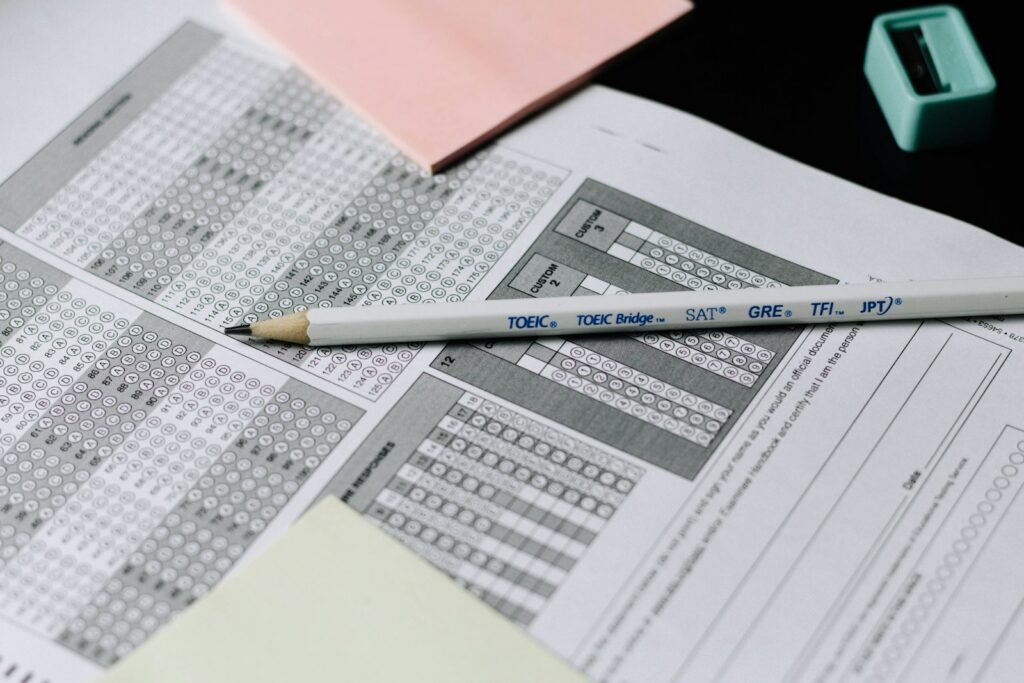
A yellow pencil resting on a bubbled multiple choice answer sheet beside pink sticky notes
Guides

Is the Permit Test Multiple Choice?

Is the permit test multiple choice? Yes, in all 50 states, but the format label hides the part that decides pass or fail. Answer-choice counts differ, some states score two sections independently, and a blank answer is not neutral. We compared eight state rulebooks side by side, including the Virginia structure where 39 correct answers out of 40 still fails, and set out what each grading model means for how you should practice.

A white window envelope resting unopened on a plain light surface
Guides

DMV Written Test Irregularities

A DMV letter saying your written test results showed irregularities is a reexamination demand, not a criminal charge. California mailed about 11,000 of them over knowledge tests from July 2025 to April 2026, each giving 30 days to retake the exam. We trace the four Vehicle Code sections that produce that deadline, explain why cancellation and revocation are different outcomes, and lay out a study plan that fits the window.

Eyeglasses with gray frames resting on an open notebook on a wooden desk
Guides

What Do I Need to Know for My Permit Test?

Everything you need to know for your permit test in one place: your state’s question count and passing score, the must-know numbers like following distance and alcohol limits, the color and shape system for road signs, the right-of-way rules that decide most passes, and what to bring on test day. Built from a cross-check of all 50 state handbooks and our own re-verified question bank, so you study what actually shows up, in the order it is weighted.

Red and white yield sign on a street corner in Redding, California, with parked cars and low buildings behind it
Guides

Yield Sign Rules for the Permit Test

A yield sign means give up the right of way, not stop. We break down the federal MUTCD wording, the hazard test state codes actually apply, the Illinois rule that makes merely forcing another driver to brake evidence against you, the railroad crossings where yield is the federal default, and the shark-tooth pavement markings that go with the sign. Includes the size table and how yield questions appear on state permit exams.

Person in a black long sleeve shirt driving a car with both hands on the steering wheel
Guides

Drivers Education Course: State Rules

A drivers education course has three parts: classroom instruction, behind-the-wheel training with a licensed instructor, and supervised practice hours logged with a parent. States disagree sharply on the totals, from six hours of theory in Florida to thirty in California. Two 2025 rule changes moved the goalposts again, one of them for adults. This guide compares hours across five states, covers the adult requirements in Texas and Ohio, and shows what the course is worth where it stays optional.

Car ignition with a key attached to a United States flag keychain
Guides

What Is a Class C Driver License?

A Class C driver license is the ordinary non-commercial license most American drivers carry, covering cars, pickups, vans and SUVs below the heavy-vehicle threshold. The letter is not national: Florida issues a Class E, New York a Class D, Missouri a Class F, Nebraska a Class O and Hawaii a Class 3 for the same everyday privileges. This guide compares what each state issues, separates the non-commercial class from the commercial credential that shares its letter, and walks through the permit-to-license path.

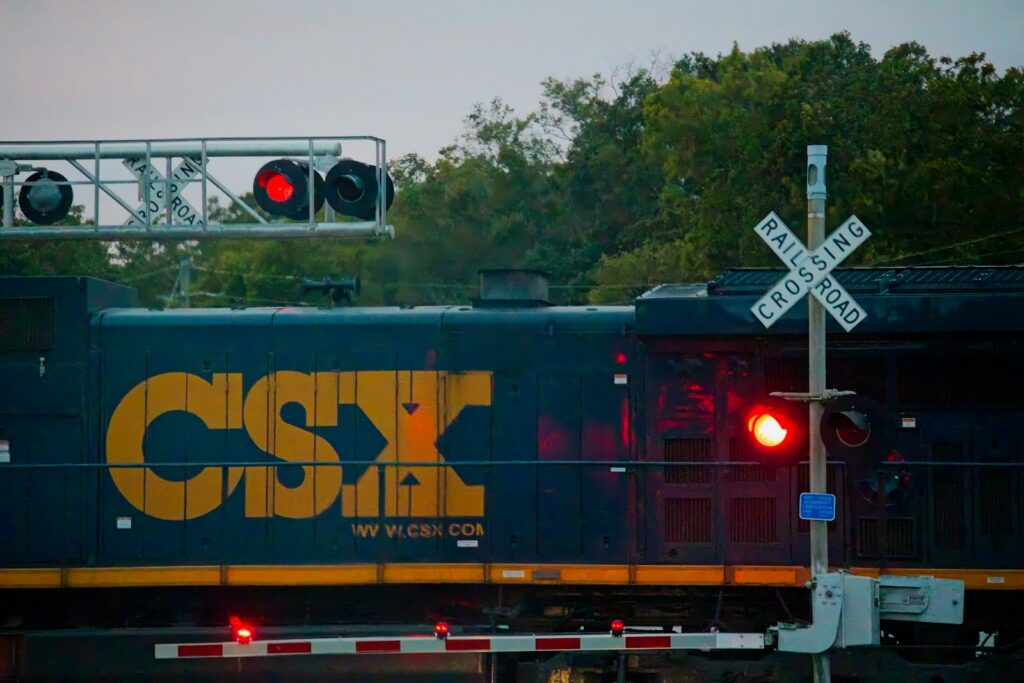
A CSX freight locomotive passing a railroad crossing at dusk with the gate lowered, red signal lights flashing, and a white crossbuck sign beside the road
Guides

Which Vehicles Must Stop at Railroad Tracks

The permit test answer is the placarded tank truck, but the federal rule behind it is longer than any answer key. 49 CFR 392.10 names five categories of vehicle that must stop, sets a 15-to-50-foot stopping window, bars shifting gears on the tracks, then lists five crossings where those same vehicles keep rolling. California, Texas, New York and Illinois each rewrite the list. Here is the rule as written, and what it means from a passenger car.

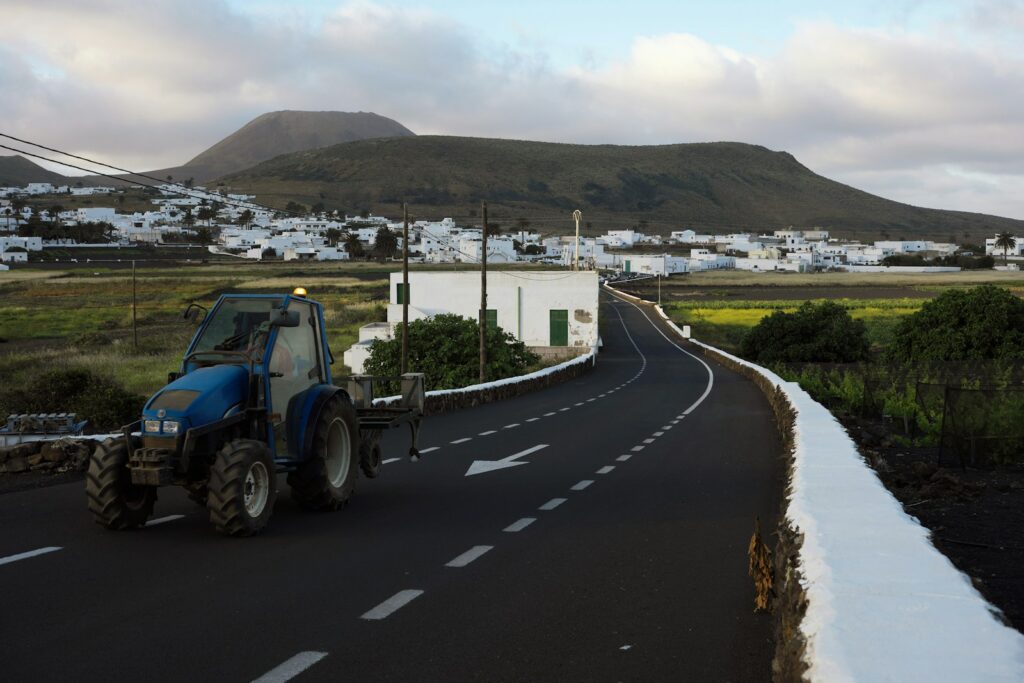
Blue tractor with an amber beacon travelling on a paved two-lane road toward a village
Guides

Slow Moving Vehicle Sign: What It Means

That orange triangle on the back of a tractor is not a road warning. It is a vehicle marking under an agricultural engineering standard, and it tells you the machine ahead is built for 25 mph or less. We break down what the emblem legally means, the states where the familiar 25 mph answer is wrong, the companion Speed Identification Symbol almost no study guide covers, and the closing-speed math that makes this a seven-second decision on a rural road.

Oncoming vehicle headlights at night seen from pavement level on a wet road surface
Guides

Wrong Way Sign: What It Means

A wrong way sign is not a warning that something might go wrong. It is a regulatory sign telling you that you are already pointed into oncoming traffic and need to stop moving forward. We break down what the red rectangle means, why it sits deeper into an exit ramp than DO NOT ENTER, why some states now mount it about knee high, and the exact recovery steps your state handbook expects when the reflectors ahead of you start glowing red.

Scroll to Top