How to Pass the DMV Permit Test on Your First Try
Roughly 38 percent of Americans fail the DMV written test on their first try. That number comes from a USA Today analysis of license-test results across 36 states between 2020 and 2023, and the spread between states is wider than most people guess. Vermont clears 87.5 percent of first-time takers. Missouri clears 38.6 percent. Passing the first time really comes down to three things working together at once: a study plan built around your state’s exact format, focused drilling of the categories that trip up the most people, and a clean test-day routine. We build the DMV Ready question bank state by state, and this guide draws on that work. You will find the exact passing math for eleven states, the five-day plan we recommend, a minute-by-minute test-day timeline, and the handful of state rules that quietly cost people their slot before they ever sit down.
Watch: how to pass the permit test first try
What your first-try odds actually look like
National averages hide enormous state-to-state variation. Published in May 2024, a USA Today analysis pulled written-test pass/fail data from 34 of 36 surveyed states and landed on a knowledge-test pass rate of 61.7 percent overall. Vermont led the pack at 87.5 percent. Missouri came in lowest at 38.6 percent. Among the biggest states by population, the divide only widens: New York posts a roughly 77 percent pass rate, while California and Pennsylvania each sit near 45 percent, and Florida lands at 41.9 percent.
These gaps are not random. Shorter tests with simpler scoring math (Pennsylvania’s 18 questions, New York’s 20) leave less room for trick questions. Bigger pools with more state-specific quirks (California’s 46, Florida’s 50) punish unprepared candidates. So here is the honest takeaway. Taking the permit test in California, Florida, or Missouri? Plan to overprepare. Living in Vermont or New York? You can still fail by treating the test as a formality.
One more number worth knowing, plus one widely repeated claim worth correcting. Crash rates for drivers 16 to 19 run over four times the rate for drivers 20 and older, according to the Insurance Institute for Highway Safety, and 34 percent of fatally injured passenger-vehicle drivers ages 16 to 19 in 2024 had positive blood-alcohol concentrations. But the permit phase itself is not the dangerous part. NHTSA’s graduated-licensing research finds that novice drivers rarely crash while supervised by adults, and that the highest crash rates of any age group arrive during the first six months of unsupervised driving. The learner permit stage is the safe stretch. It is also the only stretch where the rules get formally taught. That is the argument for treating this as an exam rather than a formality: the material stops being trivia roughly six months after you pass.
The three categories that trip up most first-try takers
Knowing the rules of the road is the whole job here, so if your study time is limited, spend it where the questions actually live. Our bank holds 3,952 questions sorted into 14 categories, and the distribution is lopsided in a way most study guides never mention. Right of Way carries 266 questions, Traffic Signs 243, Alcohol and Drugs 214, and Traffic Signals 210. Parking Rules holds 78, Speed Limits 86. The first three are also where wrong answers cluster on practice runs. Drill them first, in that order, and you arrive prepared on the dense part of the pool instead of spreading attention evenly across topics that are barely tested. Simplest way to avoid the misses that end a first attempt.
Right-of-way. Four-way stops are the single most missed scenario. Two-part rule: first to fully stop goes first, and if two cars arrive at the exact same moment, the driver on the right has priority. Left-turning drivers must yield to oncoming traffic going straight, even when both vehicles have a green light. Uncontrolled intersections trip up another large slice of candidates, who forget that pedestrians and traffic already in the intersection keep priority. Need a refresher? Our guide to right of way at uncontrolled intersections walks through the priority order with diagrams.
Traffic signs and shapes. The most-missed sign question is the yield. Many candidates pick “come to a full stop,” which is wrong; a yield sign means slow down and give right of way only if other traffic or pedestrians are present. Road signs and road markings reward memorizing shape by function: octagon means stop, downward triangle means yield, diamond means warning, pentagon means school zone, rectangle means regulatory or guide. Our explainer of stop sign rules covers the full-stop requirement and the most common follow-up questions.


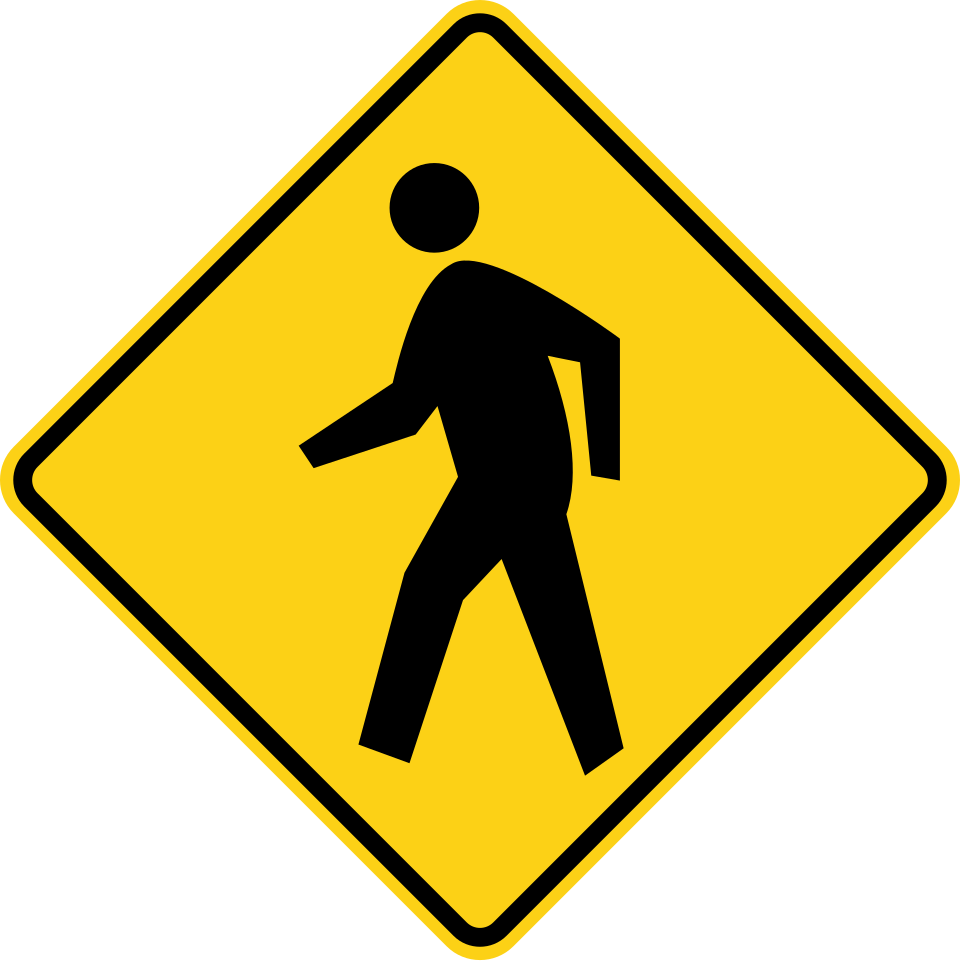
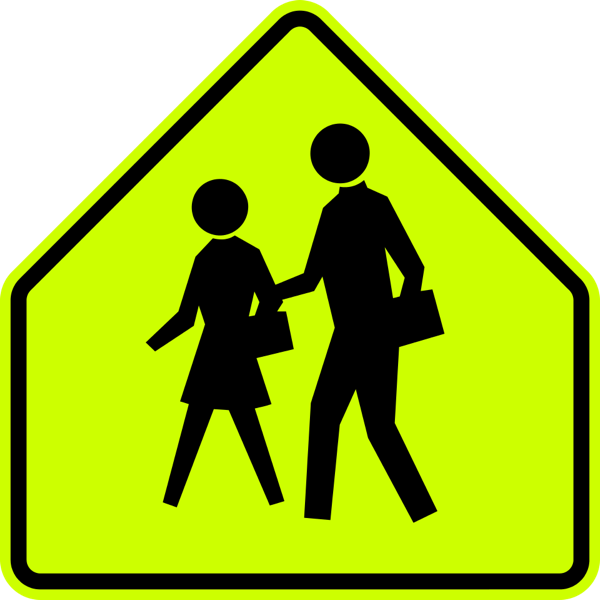
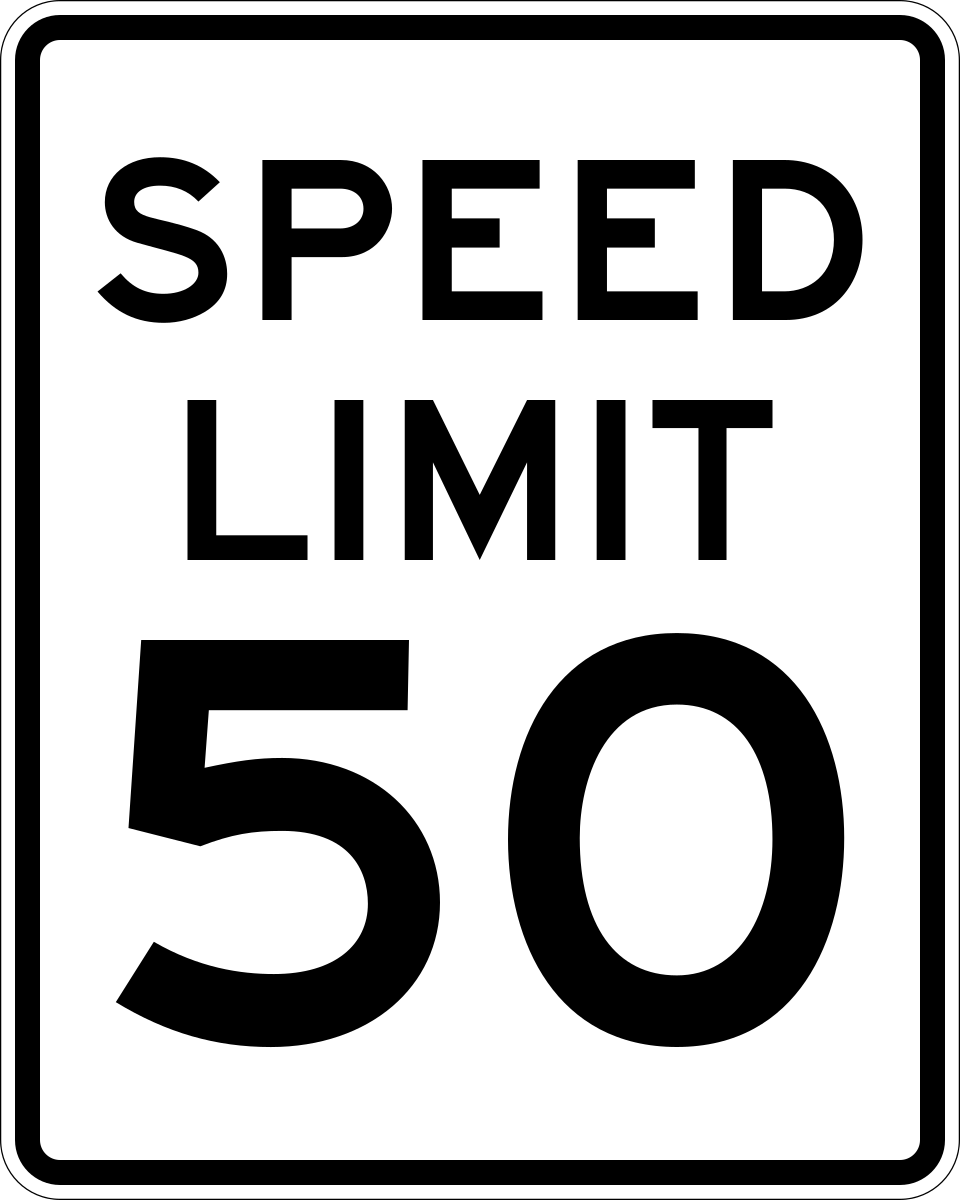
The five shape-to-function pairings, shown with the official MUTCD sign faces.
Alcohol and drugs. Every state tests this, and the rules vary just enough to confuse people. For drivers 21 and older, the federal legal limit is 0.08 percent BAC. Under 21? Every state enforces a zero-tolerance law at 0.00 or 0.02 percent BAC. Implied consent (refusing a breath test triggers an automatic license suspension) shows up on every state’s question pool and is missed constantly. Memorize the two BAC thresholds and the implied-consent consequence. That single page of the handbook earns more points per minute than any other section.
What re-verifying 3,952 questions against state sources taught us
When we rebuilt the DMV Ready bank, we re-verified every answer against official state handbooks and agency pages rather than against other prep sites. That pass pulled 8 questions that were broken outright, and it corrected the answer on 28 more. Corrections were not spread evenly. They clustered in the places where individual states quietly diverge from the national pattern, which are the same places first-try candidates lose points they assumed were free.
Three patterns came out of that work. Right-of-way wording is the first: some states frame the uncontrolled-intersection rule around the vehicle already in the intersection, others around the vehicle on the right, and a nationally worded practice question can be confidently wrong in your state. Numbers drift is the second. Following distances, parking setbacks from hydrants and crosswalks, and minimum liability limits get amended by statute, and third-party question pools lag those amendments by months. Structural mismatch is the third, and it surprises people the most: the knowledge test is not one test everywhere. North Carolina runs a written exam and a separate sign-identification exam that are scored independently, and New York applies its own scoring rule to the sign questions inside a single sitting.
Takeaway for you is smaller than the audit was. When a practice question and your state handbook disagree, the handbook wins. No exceptions. Study from your state’s current driver’s handbook, and use practice questions calibrated to that state rather than a national average.
The five-day study plan that actually works
Cramming the night before is the most common first-try failure pattern. Five focused days beats one panicked night. The schedule below is what we recommend for most adult and teen takers.
Day 1 (45-60 minutes): Study your state driver handbook front to back, taking notes on numbers. Speed limits, BAC limits, supervised-driving hour requirements, fine amounts, parking distances from fire hydrants. Numbers are the most testable details, and the easiest to misremember.
Day 2 (45 minutes): sit one timed practice permit test under real conditions. No phone, no notes, no pausing. Score it, then label every wrong answer by category. That sheet becomes your weak-area list for the week, and it shows which test questions you are guessing on rather than knowing.
Day 3 (45 minutes): Drill only your weak areas using category-specific practice. Missed three right-of-way questions on Day 2? Take a 20-question right-of-way drill, not another full mixed test. Targeted drilling fixes specific gaps faster than mixed DMV practice tests do.
Day 4 (60 minutes): run two timed practice tests back to back, with a five-minute break. This simulates test-day stamina. Most states give candidates 30 to 60 minutes to finish the written test, but anxiety eats the first 10 minutes if you have not practiced under pressure.
Day 5 (30 minutes on the morning itself, then stop): Quick review of whatever is still weak. No new material. No cramming in the parking lot.
Spread across five days, that volume of permit practice test work builds the pattern recognition that lets you answer quickly on the real DMV permit test without second-guessing yourself.
Know your state’s exact passing math
Misjudging how many questions you can miss is the single most preventable first-try failure. Below, the table shows exact passing requirements for eleven states, including the two that split the exam in half. Always double-check your own state’s current rules at the source, since some states update the test format mid-year.
| State | Questions | Passing score | Max you can miss | Attempts and notes |
|---|---|---|---|---|
| California | 46 under 18; 36 at 18+ | 38 correct; 30 correct | 8; 6 | 3 attempts; no testing after 4:30 PM; minors wait 7 days to retake |
| Texas | 30 | 70% (21 correct) | 9 | 3 attempts; $25 retest after |
| Florida | 50 | 80% (40 correct) | 10 | Online retake same day after DETS course |
| New York | 20 | 14 correct + 2 of 4 sign questions | 6 total | Same-day retake if seats open |
| Pennsylvania | 18 | 83% (15 correct) | 3 | Same-day retake; 29 languages |
| Ohio | 40 | 75% (30 correct) | 10 | 1 retake per day at BMV |
| Georgia | 40 | 75% (30 correct) | 10 | $10 forfeited on fail; ADAP required first |
| Illinois | 35 | 80% (28 correct) | 7 | 3 attempts within 12 months |
| Washington | 25 | 80% (20 correct) | 5 | Online retest allowed |
| Michigan | Not published | Not published | Not published | Segment 1 course required first for under-18 applicants |
| North Carolina | 25 written, plus a signs test | 20 correct, and 9 of 12 signs | 5 written; 3 signs | Two separate exams; both must pass |
Not in the table? Our passing-score guide covers all 51 jurisdictions. For deeper specifics, including California permit test practice, Texas permit test practice, and Florida permit test practice, jump to the state pages on our states hub.
One quick sanity check. A California applicant under 18 can miss eight of 46. In Pennsylvania you can miss only three of 18. Mistake tolerance varies by nearly a factor of three across states, so a practice test should be calibrated to your state’s actual threshold rather than a generic 80 percent target. North Carolina sits as the sharper warning in that table, because a candidate can pass the written exam comfortably and still be sent home over the twelve-sign identification round.
Day-of-test timeline (minute by minute)
Morning of the test is where first-try passers separate from retakers. The plan below assumes a mid-morning appointment, which is the sweet spot for most state DMV offices: lower wait times, alert staff, no end-of-day fatigue.
90 minutes before: Eat a real meal, and keep caffeine to whatever your normal routine already is. Test day is the wrong morning to introduce it.
60 minutes before: Pack your documents. Most states want proof of identity, proof of residency, a Social Security number, and parental consent for under-18 applicants. Our learner’s permit documents checklist covers exactly what each state wants.
That list assumes a US birth certificate or passport. On a visa or holding a green card? Citizenship is not the gate; lawful presence is. And the exception worth checking before you book: B1 or B2 tourist and K1 or K2 fiance visas are not eligible for a state credential at all. Our guide to the permit test for non-citizens lists what each status brings to the counter.
45 minutes before: Leave for the DMV, aiming to walk in 30 minutes early. A 10:00 AM appointment means a 9:30 AM arrival, which covers parking, the check-in line and ID verification.
15 minutes before: Phone off, not silent. One last mental pass through the three high-failure categories, then stop. No new material.
During the test: Read every question twice and eliminate the clearly wrong answers before choosing. Most state testing systems let you flag a question and return to it, so skip anything that stalls you. No extra points for finishing fast.
Common mistake: booking the late-afternoon slot. California’s own learner-permit page states it plainly: tests are not available at DMV offices after 4:30 p.m., and online testing has to start before 4:00 p.m. A 4:15 PM appointment leaves no margin for traffic, a slow check-in line, or a document problem at the counter. Lose that slot and a teenager can get pushed back by weeks. Several other states run hard cutoffs of the same kind, and they rarely appear on the appointment confirmation. Book a mid-morning slot when possible, and never schedule the test on the same day you start a job, take a final exam, or travel. Our DMV appointment scheduling guide covers state-specific cutoff times and the best days of the week to book.
What happens if you fail (and how to come back stronger)
Fail your first attempt? Waiting period and fee depend on your state. California gives three attempts on the same application fee, after which you reapply from the start, and the California Driver Handbook adds a rule that catches teenagers out: minors must wait seven days to retake a failed knowledge test, not counting the day of the failure. Adults in California can generally return the next business day. Texas allows three attempts, then charges a $25 retest. Florida lets you retake the same day online once you have completed the required pre-license course, though a second in-person failure typically requires another in-person visit. Georgia forfeits your $10 test fee on every failure. New York allows same-day retakes if seats are available, though most candidates wait a day to study.
Bigger pattern: roughly 38 percent fail at least once, but second-try pass rates run much higher, because the first failure exposes the weak categories. Most states allow three or more attempts within a year before requiring a full restart, and our deep dive on how many tries to pass the permit test breaks down the cap and the restart rule by state. Honest mistake to avoid: rushing back without diagnosing what went wrong. Photograph the proctor’s printout and rebuild the study plan around your real weak categories before retaking.
Plan the second attempt on a different day, after a fresh study sprint aimed at your weakest category. The DMV will not tell you which specific questions you missed, but the category breakdown is enough to steer the review.
Frequently asked questions
What is the most failed question on the permit test?
There is no official answer, because no state publishes per-question failure data. From our own re-verification work and the shape of the question pool, the recurring trouble spots are the uncontrolled four-way stop, the yield sign (a large share of candidates pick “come to a full stop”, which is wrong), and implied consent, the rule that refusing a breath test triggers an automatic license suspension on its own. Right of Way, Traffic Signs and Alcohol and Drugs together account for 723 of our 3,952 questions, and they account for a far larger share of wrong answers than that 18 percent of the pool would suggest.
What is the easiest way to pass a permit test?
Take one timed practice permit test before you study anything at all, especially if you want to pass the permit test the first time. It costs 15 minutes and it tells you which of the 14 categories you are genuinely weak in, so every hour after that is aimed rather than general. Most people run this backwards: read the handbook end to end, then test once the night before. Diagnose first, drill the misses second, and read the handbook sections that map to those misses third. People who cleared it on the first attempt describe that same order in our collection of permit test tips from people who passed on the first try.
How do I pass the North Carolina permit test?
North Carolina runs two exams and both must be passed. The written knowledge test covers traffic laws and safe-driving practice, and a separate traffic signs test asks you to identify signs by color and shape and explain what each one means. Under the state’s own administrative rule, an applicant for a regular Class C license must correctly identify nine of twelve road signs. Treat the sign section of the North Carolina Driver Handbook as its own subject rather than as part of a general review. The nine-of-twelve threshold comes from NCDMV administrative rule 19A NCAC 03B .0201.
How long should I study for the DMV permit test?
Five focused days of 45-to-60-minute sessions is the sweet spot for most first-try passers. Less than three days correlates with the highest failure rates. Cramming the night before is the single most common mistake. Two timed practice tests on the day before the exam beats six hours of handbook re-reading.
What is the hardest state to pass the permit test in?
By published pass rate, Missouri sits at 38.6 percent, the lowest in the USA Today 36-state analysis. Indiana and Wyoming have failure rates above 50 percent. California and Florida hover at 45 percent and 41.9 percent respectively, partly because their larger question pools include more state-specific quirks.
How many questions are on the DMV permit test?
Between 18 (Pennsylvania) and 50 (Florida, New Jersey) depending on the state. California uses 46, Texas uses 30, New York uses 20, and Ohio uses 40. The passing score also varies from 70 percent (Texas) to 83 percent (California, Pennsylvania).
Do I need to memorize every road sign?
You should know the shape-meaning pairings (octagon means stop, downward triangle means yield, diamond means warning, pentagon means school, rectangle means regulatory or guide) and the major regulatory signs (no U-turn, no passing zone, speed limit, one way, do not enter, wrong way). Warning signs you can usually reason out from the symbol, but the shape rule is non-negotiable.
Can I take the permit test online?
About 17 states allow some form of online or at-home knowledge testing. California allows it for applicants under 18 or out-of-state movers, Florida allows it inside the required pre-license course for ages 14-17, and 13 states use the KnowToDrive proctored platform. The rules and equipment requirements are strict; our guide to taking the DMV permit test online has the current state-by-state list.
What should I bring to the DMV?
Most states require proof of identity, proof of residency, Social Security card or number, and a parent or guardian for under-18 applicants. Some states also require proof of school enrollment or a completed driver education certificate. A full state-by-state list is in our documents checklist.
How much does the permit test cost?
From $3.50 in Rhode Island (tech surcharge only) to over $90 in some New York City counties (combined permit and license with the MCTD surcharge). Most states fall between $20 and $50. Our DMV permit test cost guide has the full table including retake fees.
Your next step
Data is clear on this: most first-try failures come from underestimating the test, not from intellectual difficulty. A five-day plan with targeted drilling on right-of-way, signs, and alcohol questions, paired with a clean test-day routine, puts you in the 60-plus percent of takers who pass on the first attempt. The permit test tips that help most are the unglamorous ones. Diagnose early. Drill narrow. Read your own state’s handbook instead of a national summary. DMV Ready runs state-specific practice questions calibrated to your state’s exact format. Pick your state on the states hub, start a free practice permit test today to set your baseline, and build the sprint around the categories where you scored lowest. That is how you ace the DMV test without leaving it to luck. Pass once, drive safely, and you never have to think about this test again.